Lewis County Delegate: CPS Staffing Is West Virginia's Biggest Child Welfare Challenge
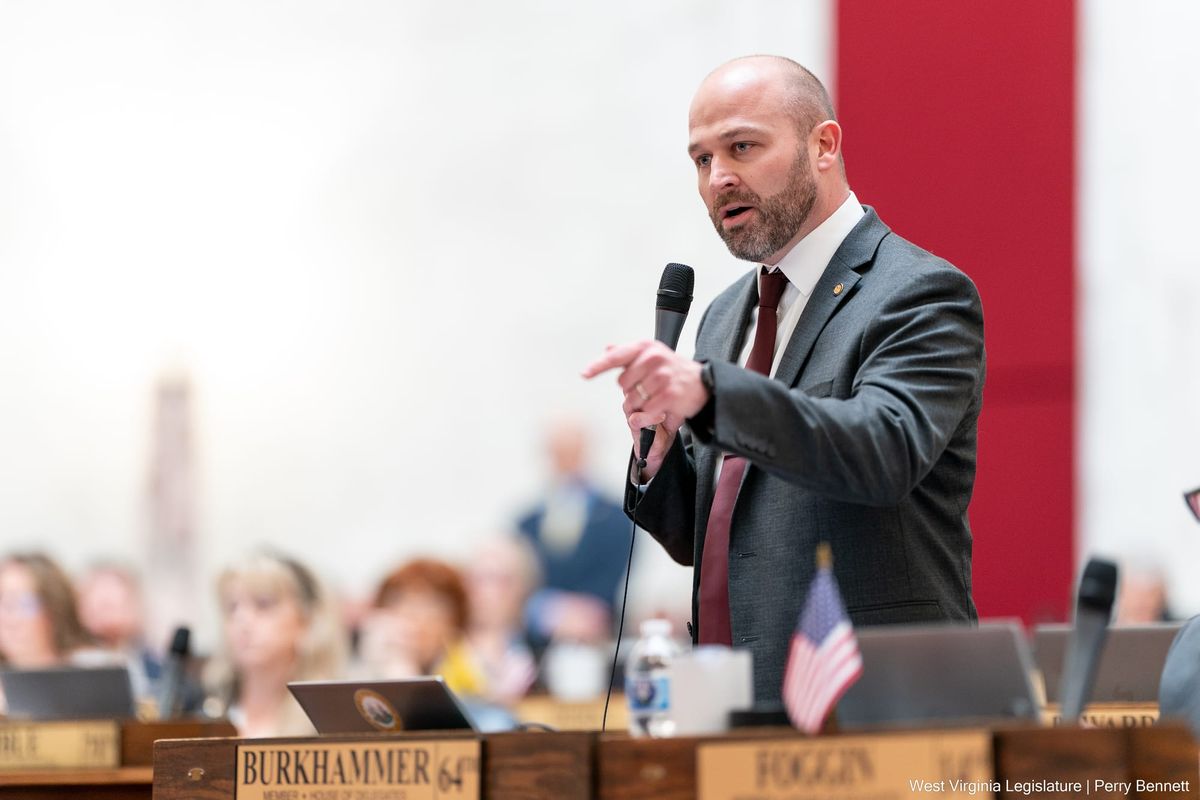
WESTON, W.Va. — Questions surrounding West Virginia's child welfare system have once again moved to the forefront following the recent death of an infant in Mingo County, with Adam Burkhammer, a member of the West Virginia House of Delegates representing Lewis County and a licensed foster parent, calling for additional staffing and support within the state's Child Protective Services system.
Speaking during an interview on MetroNews' Talkline program, Burkhammer said he believes the state's most pressing challenge is ensuring Child Protective Services workers have manageable caseloads that allow them to properly monitor children and families. Burkhammer also serves as chair of the House Human Services Subcommittee and chairs the Legislature's Joint Committee on Children and Families, giving him a leading role in reviewing child welfare issues and related policy.
"I believe our staff are overwhelmed," Burkhammer said during the interview. "We've got to do something to get them some relief."
Burkhammer said Child Protective Services workers should ideally manage no more than about 15 cases each. He expressed concern that workers in some parts of the state may be responsible for significantly larger caseloads, limiting their ability to complete home visits and other required responsibilities.
Rather than calling for additional laws or regulations, Burkhammer said he believes the policies already exist to protect children. Instead, he argued the state's focus should be on ensuring agencies have enough qualified employees to consistently carry out those requirements.
"The policies are there," Burkhammer said during the interview. "We've got to get the staff in place. We've got to build a culture that we're going to follow our policies."
Burkhammer also used the interview to explain the difference between foster care and kinship care, noting that the two systems operate differently despite often being discussed together.
He said licensed foster parents complete extensive training, undergo home inspections and receive ongoing oversight through child placing agencies before children are placed in their homes. Kinship care, by contrast, typically involves grandparents or other relatives caring for children, with certification often taking place after a child has already been placed with the family.
While Burkhammer said kinship care can help keep families together, he emphasized that proper oversight remains essential to ensuring children's safety.
Drawing from his own experience as a foster parent, Burkhammer acknowledged that opening a home to children in need can be challenging but encouraged more West Virginians to consider becoming involved.
"There is nothing more gratifying," he said. "I saw the problem, and I was part of the solution. I saw kids in need, and I opened my home, and I opened my heart, and I opened my family to be part of that."
Burkhammer also said addressing the state's child welfare challenges will require more than government action alone, calling on more West Virginians to become foster parents, Child Protective Services workers and community members willing to support vulnerable children and families.
His comments come as West Virginia continues to examine its child welfare system following several high-profile child abuse and neglect cases in recent years, including the ongoing investigation into the death of an infant in Mingo County.