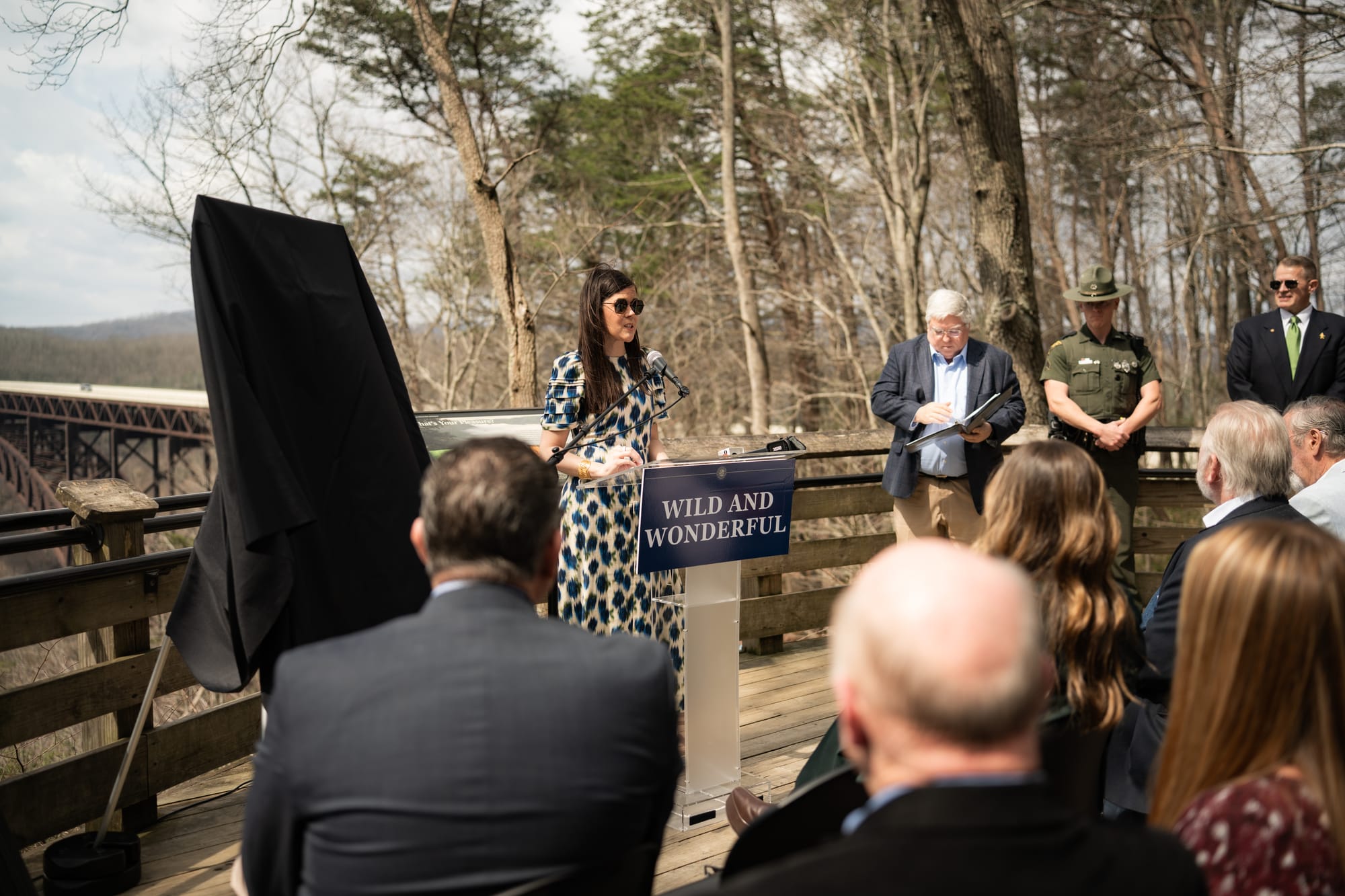
Chelsea Ruby Leaving West Virginia Tourism After Nine Years of Record Growth
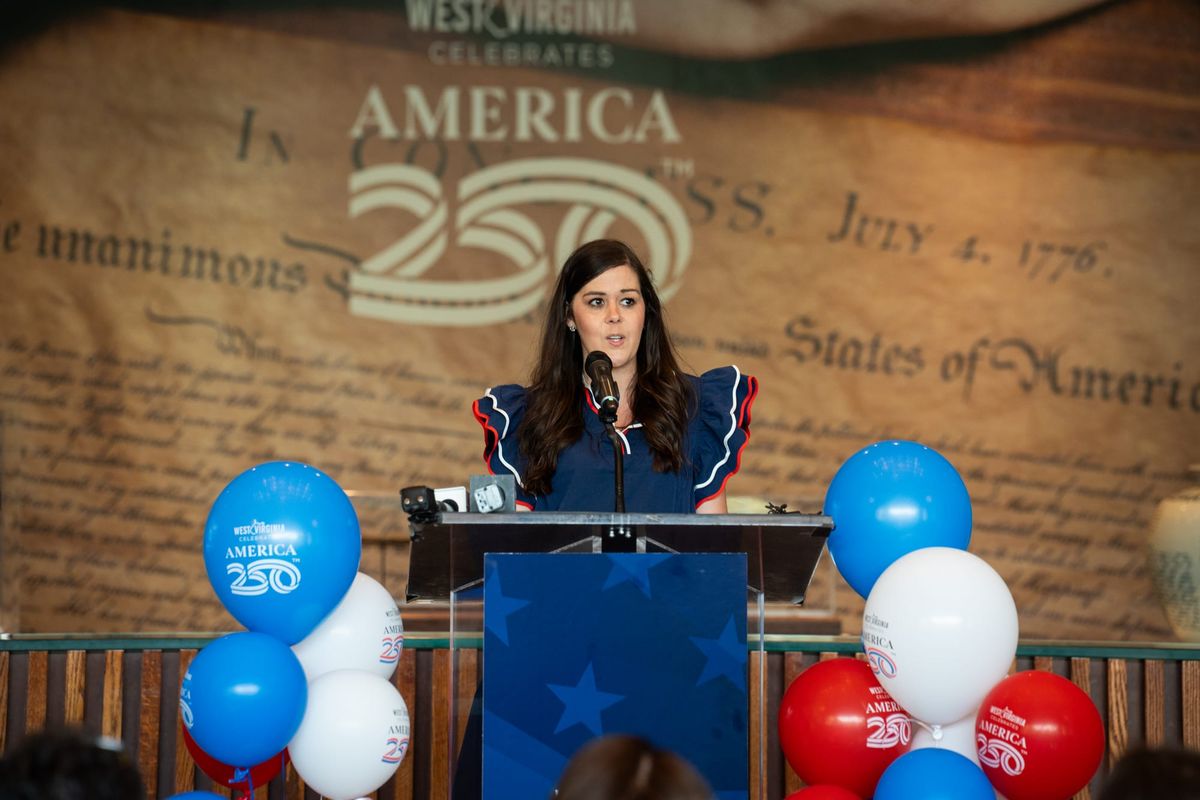
CHARLESTON, W.Va. — Chelsea Ruby will step down as West Virginia tourism secretary at the end of July, closing a nine year tenure in which annual visitor spending increased by more than $2 billion and the Almost Heaven campaign became one of the state’s most recognizable public brands.
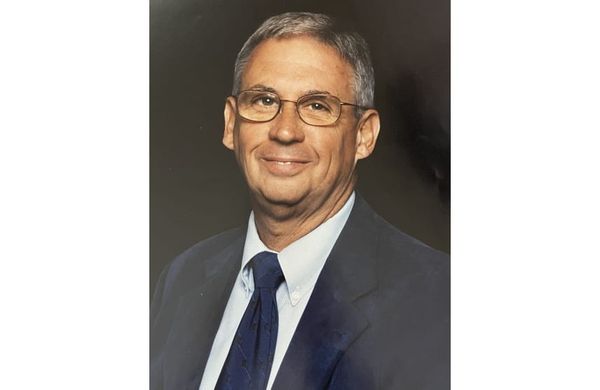
Gov. Patrick Morrisey announced Ruby’s departure this past week. Curtis Capehart, the governor’s director of policy, will assume the duties of acting tourism secretary beginning Aug. 1 while the administration searches for a permanent replacement.
“I want to thank Chelsea Ruby for her years of leadership of the Department of Tourism and her service to the people of West Virginia,” Morrisey said.
Morrisey credited Ruby with building momentum across the tourism industry and said she will assist with the transition to new leadership.
“I thank Chelsea for her accomplishments and appreciate her support during the transition to the new leadership of the department,” Morrisey said. “I am looking forward to building on the momentum of our tourism industry, which showcases West Virginia to visitors from across the country and around the world.”
Ruby also addressed her departure in a personal statement following the state’s America250 Capital City Celebration.
“Serving this state for the last 9 years has been the greatest honor of my life,” Ruby wrote.
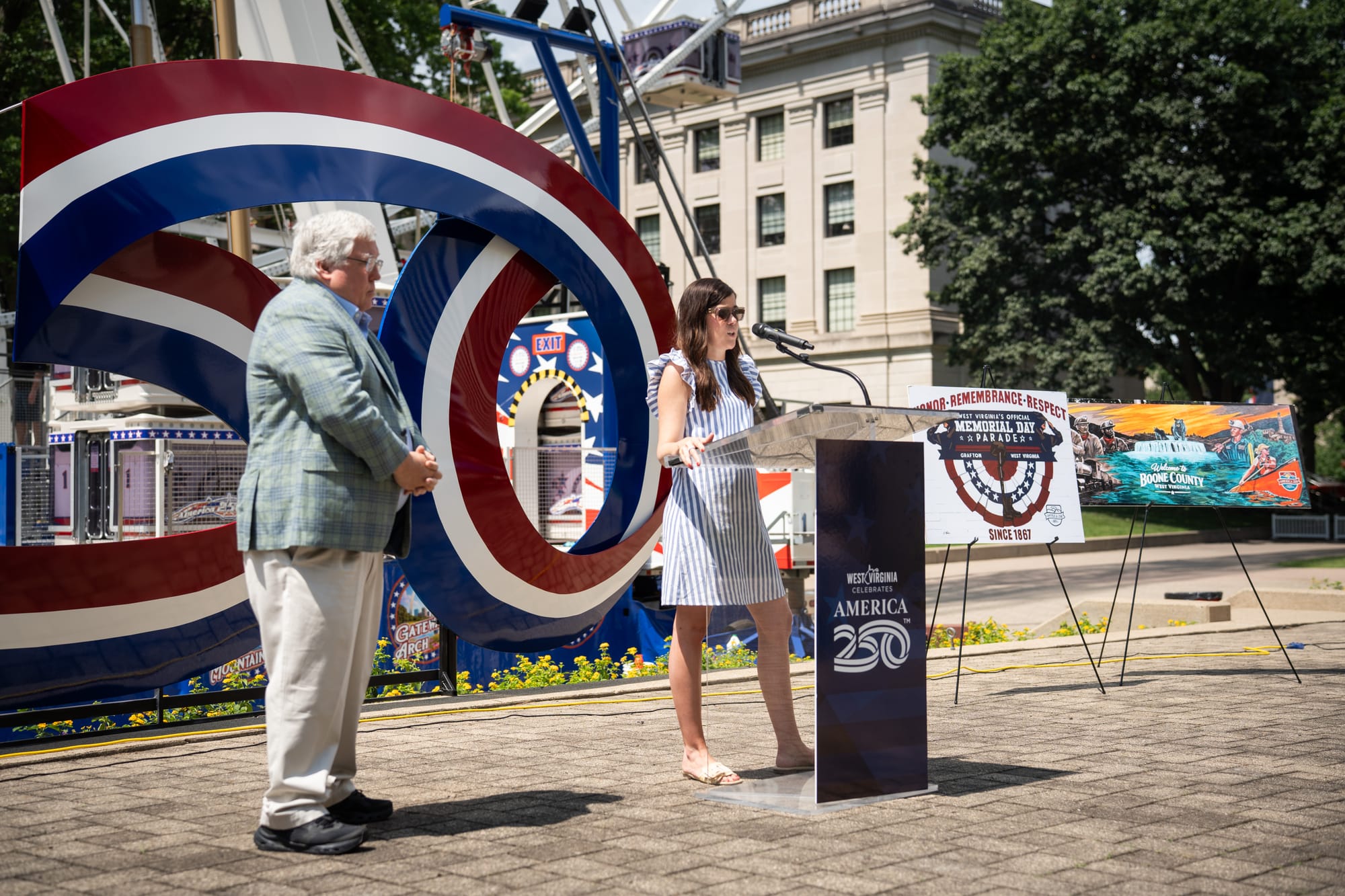
She thanked the Department of Tourism’s employees and its partners across state government, crediting them with helping build a stronger tourism industry and a more recognizable image for West Virginia.
Ruby has not publicly announced what she plans to do next or provided a detailed reason for leaving.
She has led West Virginia’s tourism efforts since January 2017, when she was selected to serve as commissioner of what was then the West Virginia Division of Tourism under former Gov. Jim Justice.
Before taking over the division, Ruby worked in former Gov. Earl Ray Tomblin’s communications office, directed West Virginia’s 150th anniversary celebration and served as director of marketing and communications for the Department of Commerce.
In 2021, the Legislature elevated the Tourism Office into a cabinet level Department of Tourism. Ruby became West Virginia’s first tourism secretary and remained in the position when Morrisey took office in January 2025.
Her departure comes after a period of substantial growth.
Direct visitor spending in West Virginia totaled approximately $4.3 billion when Ruby entered the position in 2017. By 2024, the most recent year for which a complete statewide economic impact study is available, spending had reached a record $6.6 billion.
That represents an increase of approximately $2.3 billion, or more than 50 percent in unadjusted dollars, during Ruby’s tenure.
West Virginia also welcomed a record 77.2 million visitors in 2024. Their spending generated an estimated total economic impact of more than $9.1 billion, supported 60,769 jobs and produced approximately $1.1 billion in federal, state and local taxes.
The growth followed a deliberate effort to change how West Virginia presented itself to potential visitors.
During an April stop at Fairmont State University in North Central West Virginia, Ruby reflected on the conditions she encountered when she took over the state’s tourism operation.
Tourism was growing nationally, she said, but West Virginia was moving in the opposite direction.
The department conducted research to understand why travelers were choosing surrounding states instead of West Virginia. Ruby initially expected that research to reveal negative opinions about the state.
Instead, it revealed that many potential visitors held no opinion of West Virginia because they were not considering it as a vacation destination.
“What I thought we were going to find is that people had these negative impressions of West Virginia,” Ruby said. “But what we actually found is that people had no impression of West Virginia. We weren’t even on their radar.”
That finding shaped the department’s strategy.
West Virginia concentrated its tourism message around outdoor recreation, small mountain towns and uncrowded natural beauty. The Almost Heaven campaign then carried that message into major population centers within driving distance of the state.
Ruby also repeatedly encouraged governors and lawmakers to invest more heavily in tourism promotion.
The Legislature responded by increasing funding for advertising, cooperative marketing, destination development and improvements to the state park system. That increased public commitment gave the department the resources to place West Virginia before a larger national audience and compete more directly with surrounding states for visitors.
The results provide the central measurement of Ruby’s tenure: West Virginia went from losing ground nationally to growing visitor spending at a faster rate than the country as a whole.