West Virginia Tourism Breaks Another Record With $9.4 Billion Economic Impact
CHARLESTON, W.Va. — West Virginia’s tourism economy reached another all-time high in 2025, generating a record $9.4 billion in economic impact as more visitors traveled to and spent money across the Mountain State.
New figures released Monday show West Virginia welcomed 78.4 million visitors during 2025, while travelers directly spent approximately $6.8 billion at hotels, restaurants, attractions, shops and other businesses across the state.
That works out to roughly $18.7 million in visitor spending every day.
The growth continues a string of record-setting years for West Virginia tourism. Visitor volume increased 1.6% from 2024, when the state recorded 77.2 million visitors and $9.1 billion in total tourism economic impact. Overnight travel also increased by nearly 2% in 2025.
Tourism supported 61,728 jobs across West Virginia during the year and generated approximately $2.3 billion in personal income. Visitor activity also produced $643 million in state and local tax revenue.
The latest numbers were announced during the Governor’s Conference on Tourism in Charleston, where tourism and hospitality leaders from across the state gathered this week.
The new record comes only a year after West Virginia crossed the $9 billion mark in annual tourism economic impact for the first time. In 2024, visitors spent $6.6 billion in the state, meaning direct visitor spending increased by roughly $200 million in 2025.
The impact extends into north-central West Virginia as well. The most recently published county-level figures showed Harrison County generating approximately $231.3 million in annual travel spending and supporting nearly 3,000 tourism-related jobs.
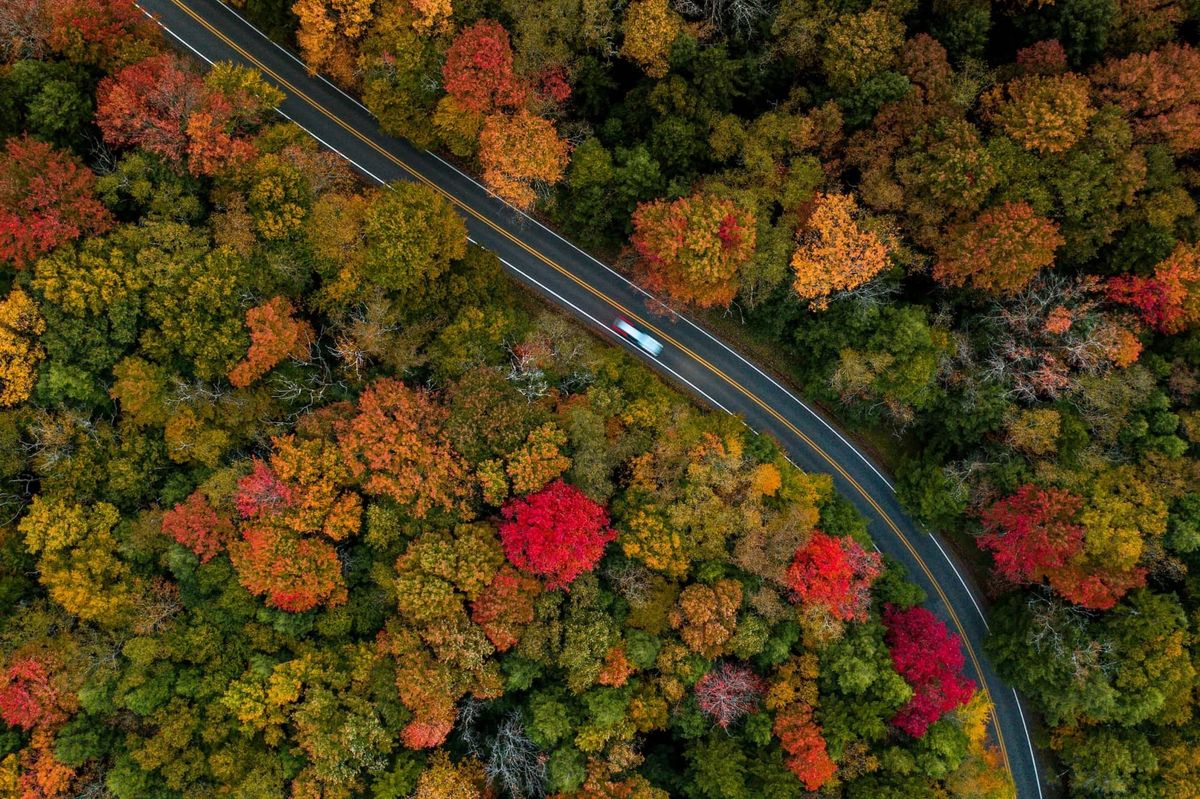
State tourism officials have increasingly promoted West Virginia around its outdoor recreation, state parks, small towns and natural scenery as the state works to attract both overnight travelers and day visitors.
The 2025 results continue that upward trajectory, with West Virginia setting another benchmark for the number of people visiting the state and the economic activity those visitors generate.