West Virginia Could Receive Up to $114.6 Million as Meta Agrees to New Limits for Children
CHARLESTON, W.Va. — West Virginia could receive more than $114 million from a major national settlement with Meta that would also change how children are allowed to use Instagram and Facebook.
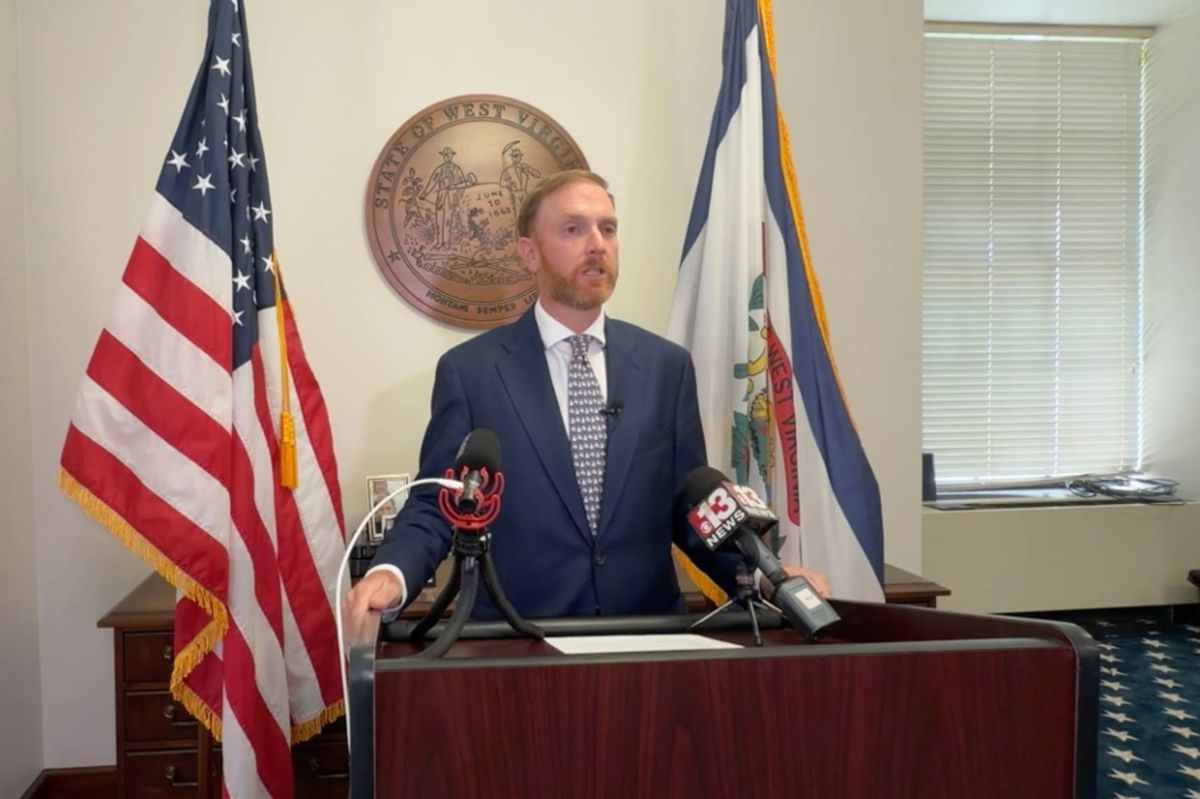
Attorney General JB McCuskey announced Wednesday that West Virginia is among the states and territories participating in a $17.1 billion settlement with Meta Platforms Inc. The agreement is subject to court approval.
West Virginia's share could reach $114,628,039.
For families, however, the settlement reaches well beyond the money.
Meta would be required to establish a combined two-hour daily limit for children using Instagram and Facebook, restrict access overnight and reduce notifications during the school day.
The agreement follows years of legal action over allegations that Meta designed features to keep children and teenagers using its platforms while failing to adequately disclose potential risks.
Beginning in 2021, attorneys general across the country investigated social media companies and their practices involving younger users. States later accused Meta of designing Instagram features to encourage excessive use while the company had information about potential mental-health effects on children and teenagers.
Meta did not admit wrongdoing as part of the settlement.
Under the agreement, children would be limited to a combined two hours each day across Facebook and Instagram. Meta would also be required to introduce mandatory breaks after 15 minutes of continuous use and additional pauses when users reach 60 and 90 minutes.
The two-hour limit would remain in place for five years.
If Snapchat, TikTok and YouTube eventually agree to comparable restrictions, Meta's limits would change to one hour per platform and remain in effect for 10 years.
The agreement would also prohibit children from accessing Facebook and Instagram between midnight and 6 a.m.
During the school year, weekday push notifications would be eliminated between 8 a.m. and 3 p.m.
Other changes would require Meta to strengthen age-verification efforts and parental controls while adding additional safeguards involving bullying, eating disorders, suicide and self-harm content.
The company would also face restrictions on features that can encourage social comparison, including certain beauty filters and visible like counts.
An independent auditor and representatives of the participating states would regularly review whether those changes have been implemented and whether they are working.
“This settlement isn’t just about the historic payout; it’s about the real changes Meta has now pledged to make to protect our kids online,” McCuskey said.
The West Virginia Attorney General's Office called the agreement the largest state consumer-protection settlement outside of the tobacco settlements of the 1990s.
The settlement also resolves separate state claims involving Meta's past sharing of nonpublic Facebook user information with third parties, including Cambridge Analytica, before the 2016 election.
Nearly all states participated in the broader legal effort against Meta, although some states have pursued separate litigation.
The financial portion of the settlement is expected to be paid over a period of years. West Virginia officials have not announced how the state's potential $114.6 million share would be used.
The money also would not be distributed as individual settlement checks to West Virginians simply because they use Facebook or Instagram.
That makes the next major question for West Virginia how the state would ultimately use what could become a nine-figure settlement.
For now, neither the payments nor the required changes to Facebook and Instagram will begin unless the settlement receives court approval.