From Mullens To The Hall Of Fame: Mike D’Antoni Puts West Virginia At Heart Of Induction Speech
SPRINGFIELD, Mass. — Mike D’Antoni spent decades taking basketball ideas from West Virginia to Italy and eventually to the NBA, where his fast paced offensive philosophy helped change the way the sport is played.
But when it came time Saturday night to tell his story from the stage of the Naismith Memorial Basketball Hall of Fame, D’Antoni started at home.
“I grew up in Mullens, West Virginia,” D’Antoni said.
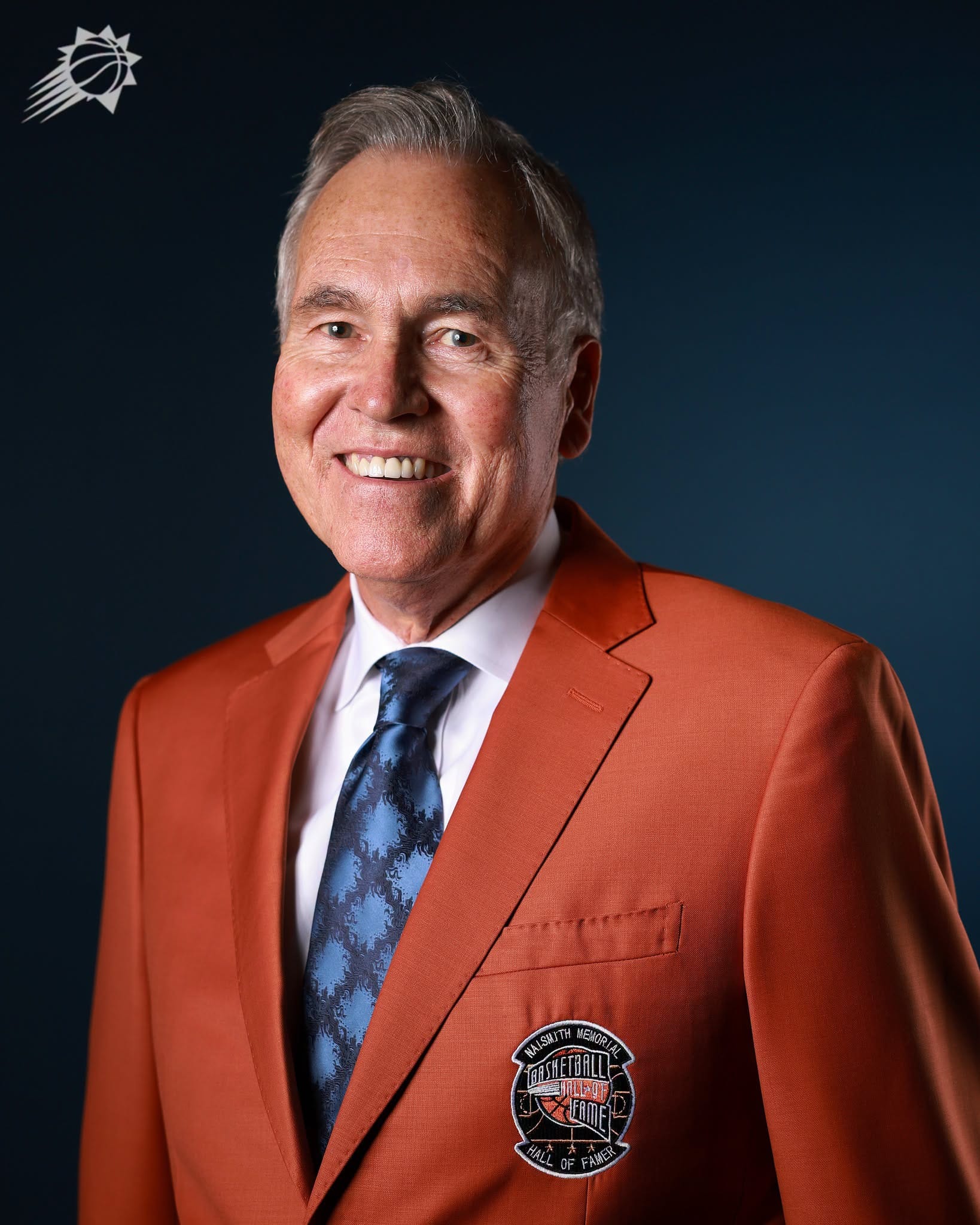
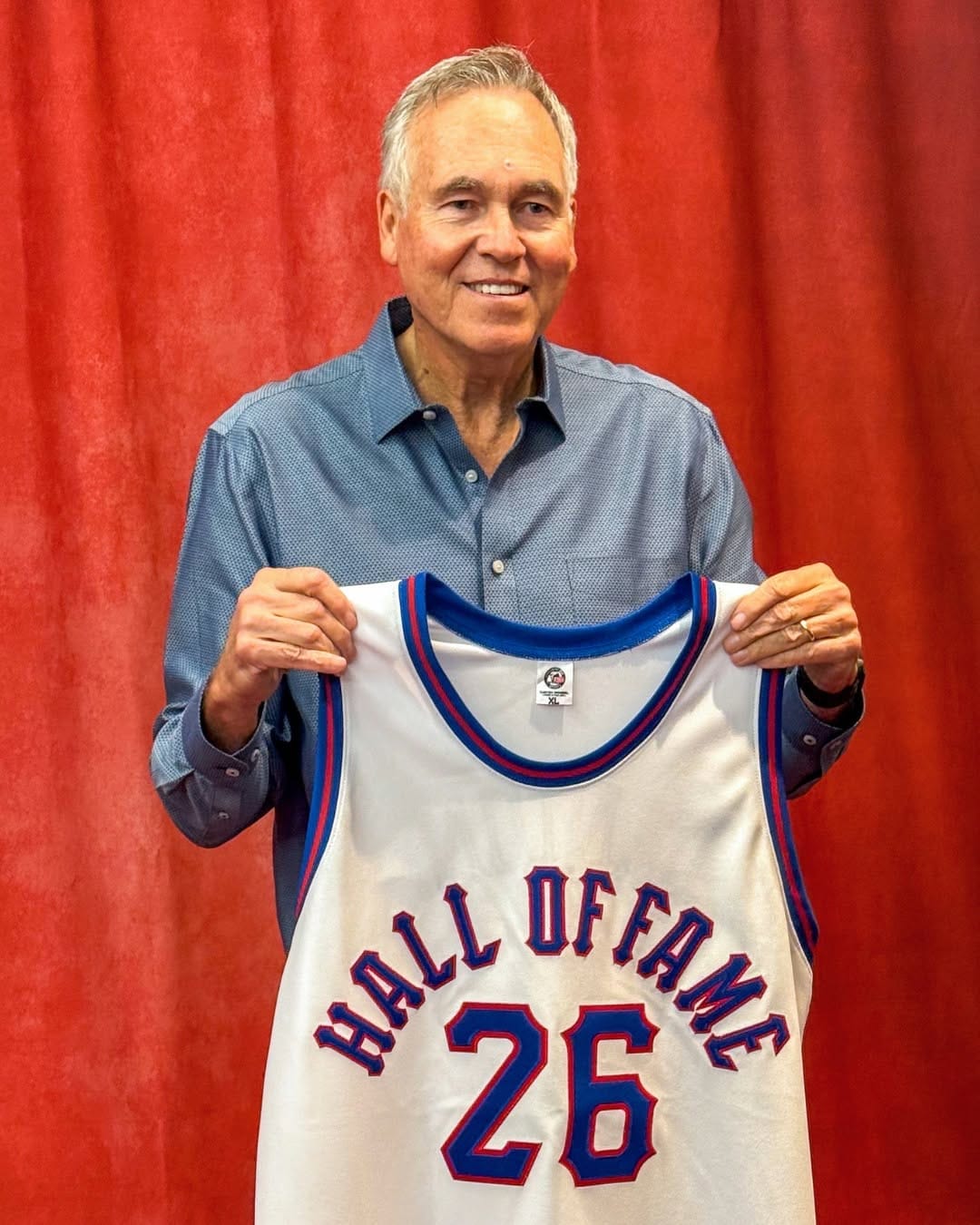
The Mullens native and Marshall University great was officially enshrined Saturday as a member of the Basketball Hall of Fame’s Class of 2026, earning the sport’s highest honor after a career that stretched across continents and helped usher professional basketball into its modern era.
Before D’Antoni even took the stage, the Hall of Fame presentation introducing him made the West Virginia connection clear, describing his unique approach to basketball as one shaped in part by his early days in the Mountain State.
D’Antoni then spent much of the opening minutes of his own speech explaining why.
He told the audience about his grandfather emigrating from Italy in search of a better life and finding it in the coal mining hills of southern West Virginia. His father, Lewis D’Antoni, became a West Virginia Hall of Fame high school basketball coach. His mother, Betty Jo Bailey, came from the Hatfield family.
Together, D’Antoni said, his parents raised a family surrounded by love, competition and the community of Mullens.
From there, he turned to two basketball players who showed a generation of young West Virginians just how far the game could take them.
“Growing up, I had two idols, West Virginia legends,” D’Antoni said, recognizing Rod Thorn and the late Jerry West.
Thorn, a Princeton native and longtime NBA player and executive, was standing on stage as one of D’Antoni’s Hall of Fame presenters.
D’Antoni said Thorn and West inspired an entire generation of West Virginia children who grew up watching two Mountain State products reach basketball’s biggest stages.
Then came Marshall.
“My family also includes Marshall University,” D’Antoni said.
That part of his story went well beyond basketball.
D’Antoni arrived at Marshall in 1970, the same year the university suffered the devastating Nov. 14 plane crash that killed 75 people, including members of the football team, coaches, staff, supporters and community leaders.
“Marshall taught me resilience,” D’Antoni told the Hall of Fame audience, recalling how the tragedy united the university and community.
Marshall President Brad D. Smith and other members of the Marshall community were among those in attendance Saturday as D’Antoni reflected on a connection that has continued for more than five decades.
He finished that portion of the speech with three words familiar across Huntington and West Virginia:
“We Are Marshall.”
Basketball, however, was also a major part of what Marshall gave him.
D’Antoni described the Thundering Herd teams he played on as unconventional, “small and fast,” an interesting connection to the style of basketball that would eventually make him one of the sport’s most influential coaches.
At Marshall, D’Antoni became one of the program’s greatest point guards. He recorded 659 assists in just 80 games and still holds the school record for career assists per game at 8.2. He also scored 1,227 points for the Herd and helped the 1971 to 1972 team finish 23 wins and four losses while climbing as high as No. 8 in the Associated Press national rankings.
His career then took him far beyond West Virginia.
After playing in the NBA and ABA, D’Antoni went to Italy, where he became a star with Olimpia Milano and later a successful coach.
He told the Hall of Fame audience that it was in Milan where he began experimenting more intentionally with smaller lineups and faster basketball designed to spread defenses and create more opportunities from three point range.
Later, his teams in Treviso pushed even further toward running, spreading the floor and shooting threes.
Those ideas eventually followed him back to the NBA.
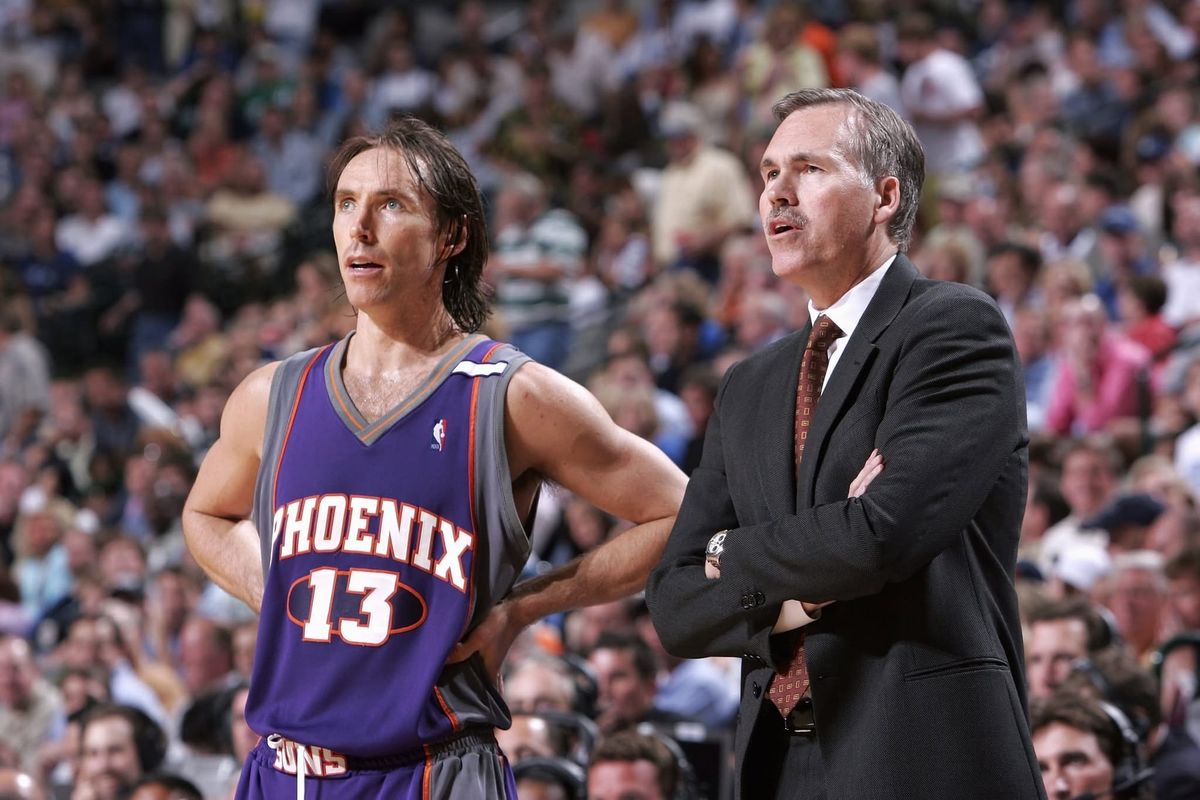
With the Phoenix Suns, D’Antoni became synonymous with a fast offensive system built around Steve Nash, Amar’e Stoudemire and a roster encouraged to run the floor, create space and attack quickly.
The results helped reshape basketball.
D’Antoni won NBA Coach of the Year honors in 2005 with Phoenix and again in 2017 with Houston. His teams reached the Western Conference Finals three times, and he coached Nash and James Harden during MVP seasons. In 16 seasons as an NBA head coach, D’Antoni compiled 672 regular season victories.
The Hall of Fame credits his philosophy centered around pace, spacing and shooting with helping redefine offensive basketball and influence the modern analytics driven era of the sport.
D’Antoni acknowledged that larger impact near the end of his speech Saturday, saying the players, coaches and organizations around him were willing to embrace change.
Together, he said, they helped revolutionize pace, spacing and the three point shot.
It completed a remarkable basketball journey, from the gyms of Mullens and Marshall to Europe and eventually NBA arenas across the country.
And on the night basketball officially placed Mike D’Antoni among its immortals, he made sure West Virginia was part of the story.
The coal mining hills of southern West Virginia. His family in Mullens. Rod Thorn and Jerry West. Marshall University.
All were part of the path that ultimately led D’Antoni to Springfield.
A path that began in Mullens, West Virginia, and now ends with a place in the Basketball Hall of Fame.