Fairmont State Opens BEACON Simulation Center, Plans Major Expansion of Nursing Training
FAIRMONT, W.Va. — Fairmont State University has opened a new nursing simulation center that could significantly change how students receive clinical training, with the university planning to increase the amount of nursing clinical education conducted through simulation from about 10 percent today to as much as 50 percent over the next year.
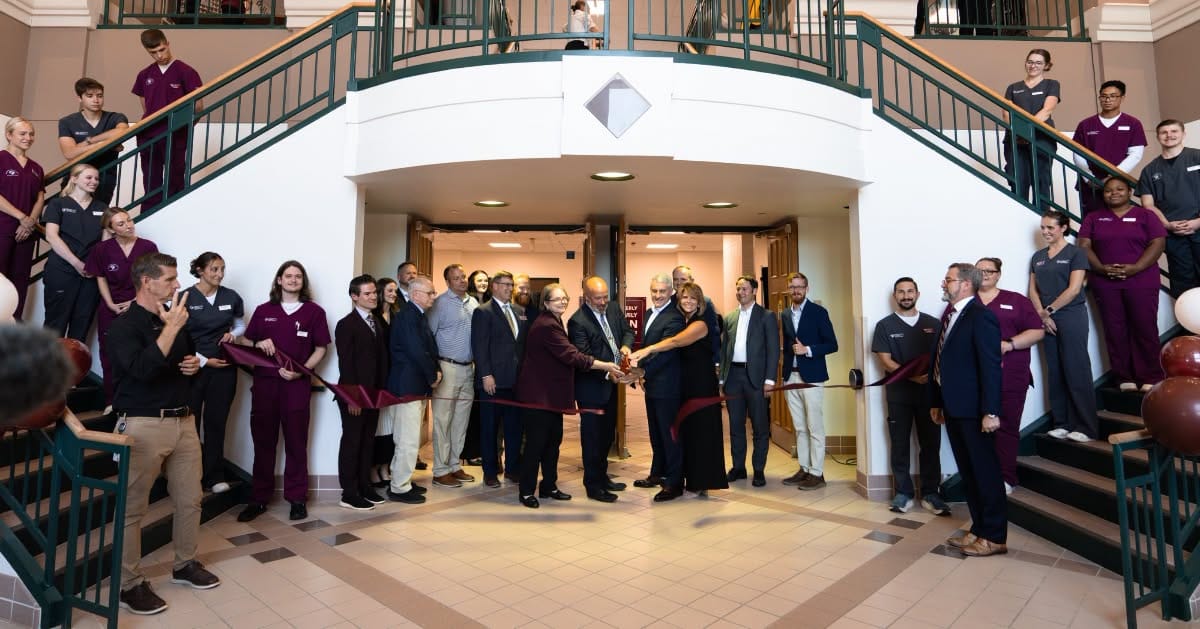
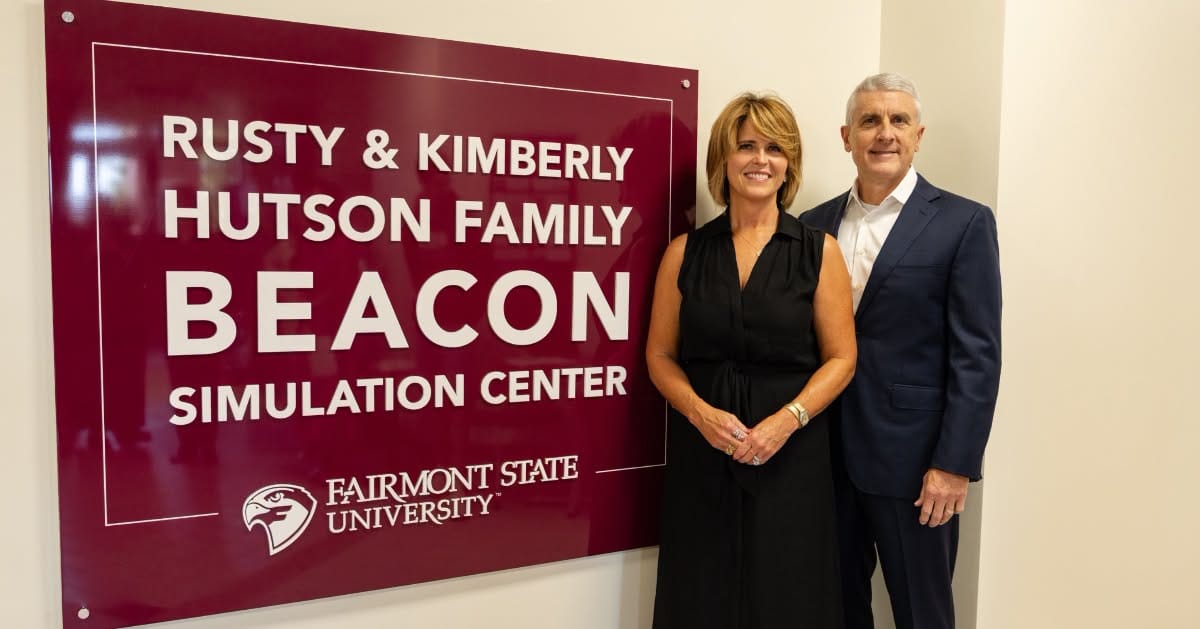
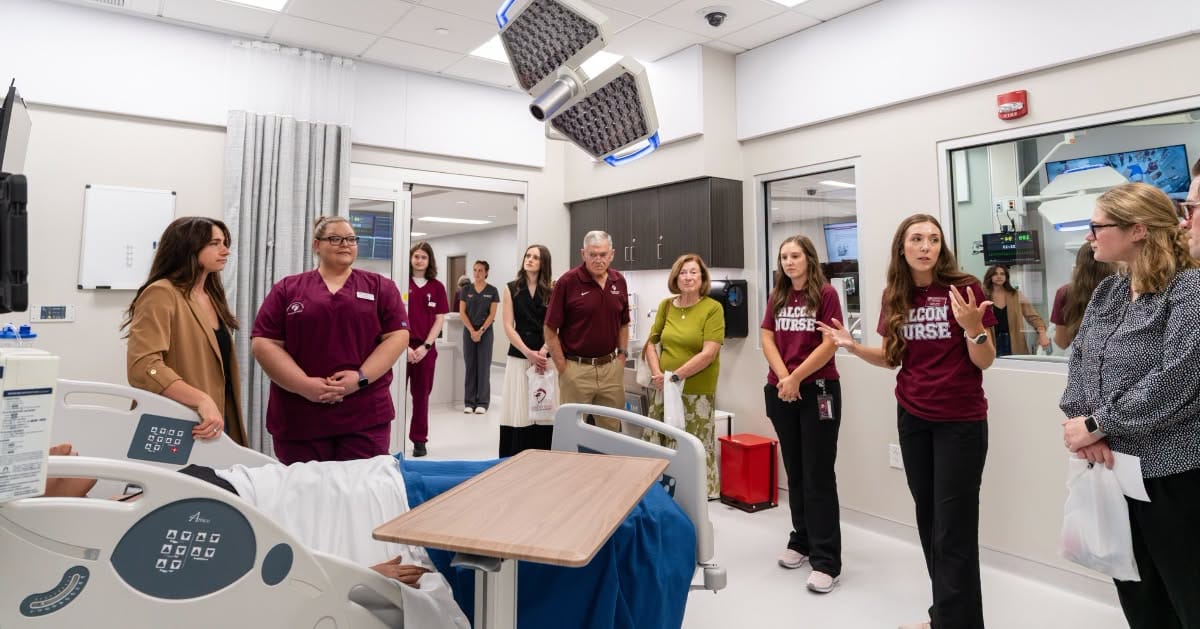
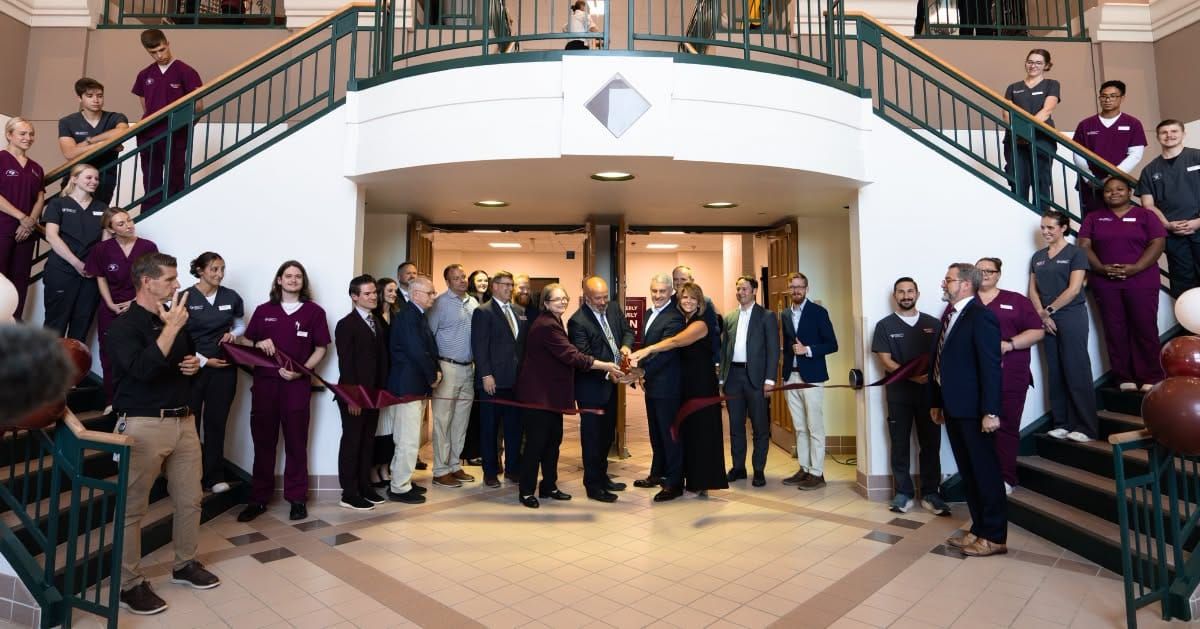
University leaders, nursing faculty, students, healthcare representatives and supporters gathered Thursday for the ribbon cutting of the Rusty and Kimberly Hutson Family BEACON Simulation Center.
BEACON stands for Bridging Education to Advance Clinical Outcomes in Nursing.
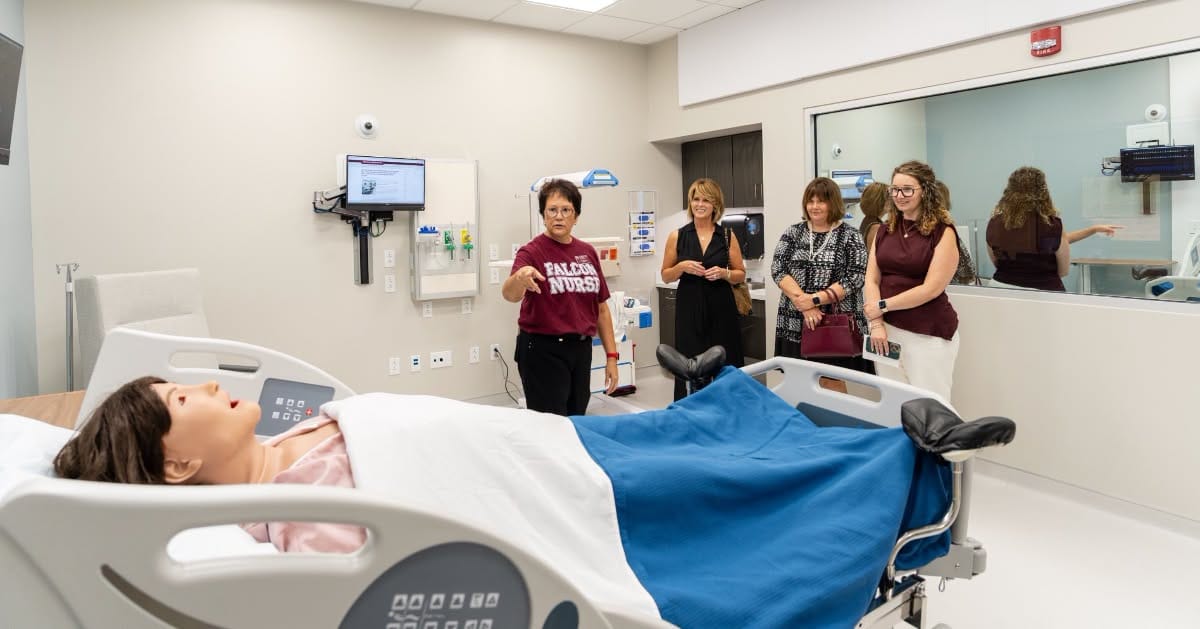
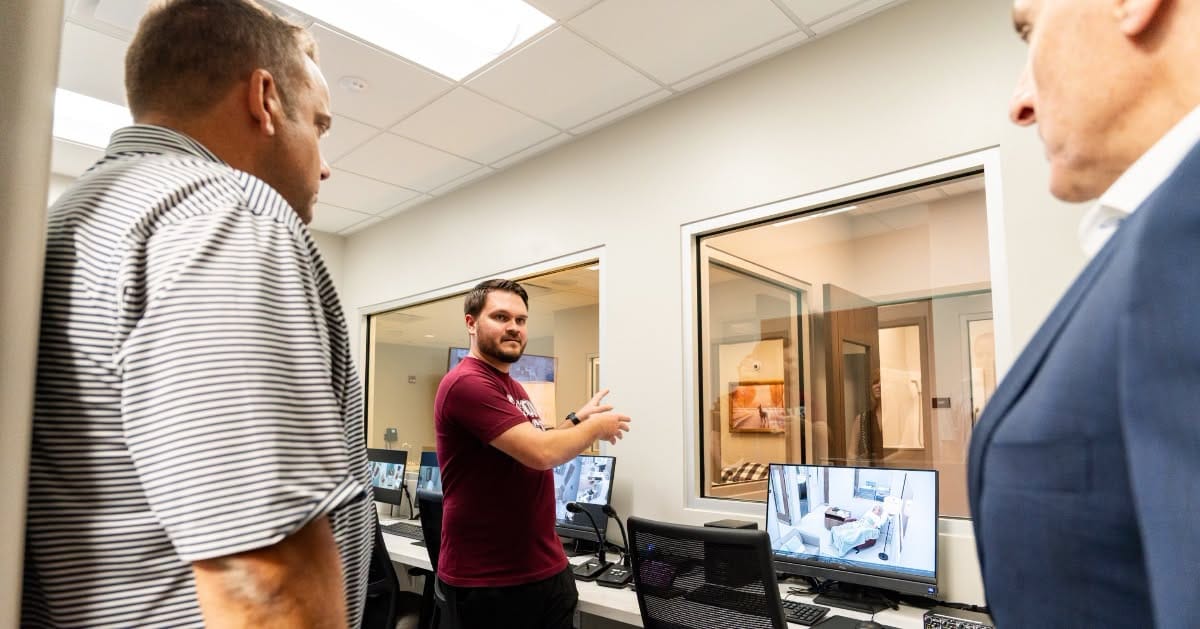
The new center provides realistic healthcare environments where students can practice patient care, make clinical decisions, communicate with other members of a healthcare team and work through difficult situations before encountering them with actual patients.
Fairmont State President Mike Davis said the investment comes as West Virginia and the country continue to face a shortage of nurses.
“This center is us choosing to be part of that solution,” Davis said.
Davis said the facility creates a bridge between what students learn in the classroom and what they will experience when a patient is depending on them. Students will have opportunities to practice, make decisions and learn from mistakes before the stakes are real.
The center also gives Fairmont State room to substantially expand the role simulation plays in its nursing programs.
Dr. Deb Struth, dean of the College of Nursing, said the university currently replaces about 10 percent of traditional clinical time with simulation because of limitations in its previous simulation space.
“We have outgrown it and probably outgrew it a while ago,” Struth said.
Over the next year, the university’s goal is to increase that to as much as 50 percent of clinical time being conducted through simulation.
Struth said a well planned simulation center allows nursing students to become immersed in patient care scenarios while receiving constructive feedback on their performance, assessment skills and clinical judgment.
She also pointed to national research supporting the use of high quality simulation as part of the clinical preparation of nursing students.
The expansion comes as Fairmont State continues to play a significant role in educating nurses for West Virginia.
Provost Dr. Allen Bedford said Fairmont State had 146 students complete its associate degree nursing program in 2024, making it the largest associate level nursing program in the state based on completions that year.
Fairmont State also operates a Bachelor of Science in Nursing program and recently opened a prelicensure BSN pathway that allows students to pursue a four year nursing degree without first earning an associate degree.
Bedford said the additional training capacity provided by the BEACON Center will support both pathways as Fairmont State looks to educate more nurses.
The project was supported by more than $3 million in congressionally directed spending, $1 million from Fairmont State and support from Rusty and Kimberly Hutson.
U.S. Sen. Shelley Moore Capito said in remarks played during Thursday’s ceremony that more than $3.1 million in federal funding was secured for the project. Former U.S. Sen. Joe Manchin, who worked with Capito to secure federal support, also addressed the ceremony by video.
U.S. Sen. Jim Justice sent remarks recognizing the opening and the role the facility could play in preparing nurses for West Virginia’s healthcare workforce.
The Hutsons are both Harrison County natives and Fairmont State graduates. Rusty Hutson graduated in 1991 with a degree in accounting, while Kimberly Hutson graduated from Fairmont State’s nursing program in 1994 and worked as a registered nurse.
Their support for nursing education at Fairmont State predates the new center.
Rusty Hutson said Thursday that the family’s investment is rooted not only in its connection to the university, but also in the need for additional healthcare professionals across West Virginia, particularly in rural communities.
“We wanted to have a training facility here that would not only train nurses but keep them in the state,” Hutson said.
He said nursing provides good paying career opportunities while helping West Virginia hospitals and communities fill important healthcare positions.
For Fairmont State, university leaders said that workforce connection is a major part of the new center’s purpose.
Davis said many nursing graduates return to the communities where they grew up, where they care for neighbors, parents, grandparents and children.
“I hope you see students becoming nurses,” Davis told those gathered Thursday. “I hope you see graduates beginning careers.”
Students are expected to begin conducting simulations in the new BEACON Simulation Center in September.